Danube Delta |
|
|
Danube Delta |
Genesis and evolution
Danube Delta has been formed starting from the Upper Pleistocene and has evolute in connection with the three Danubian arms: Sfantu Gheorghe (the oldest, from the South, 126 km), Sulina (80 km) and Chilia (the newest, from the North, 116 km). Named Istratos by the Greeks and Danubius by the Romans, the river carries every year between 75 and 85 million of tons of alluvia by means of its water volume of approximately 6,000 mc/s, thus increasing the surface of the Delta. In the area of Chilia branch, the territory advances into the sea by 40 - 80 m/year. |
| Activities | Accommodation |
|
Climate Because of its geographical position - 45° North latitude and the vicinity of the Black Sea, the climate is temperate -continental with pontical influences. The average temperature is 11°C (-1°C in January and 21 in July). Precipitations between 300 - 450 mm/year. |
|
Flora and Fauna
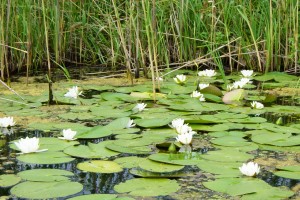
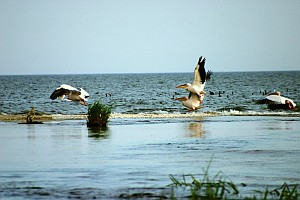
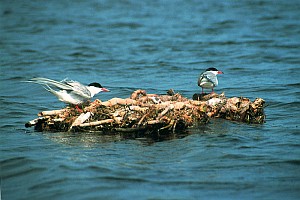
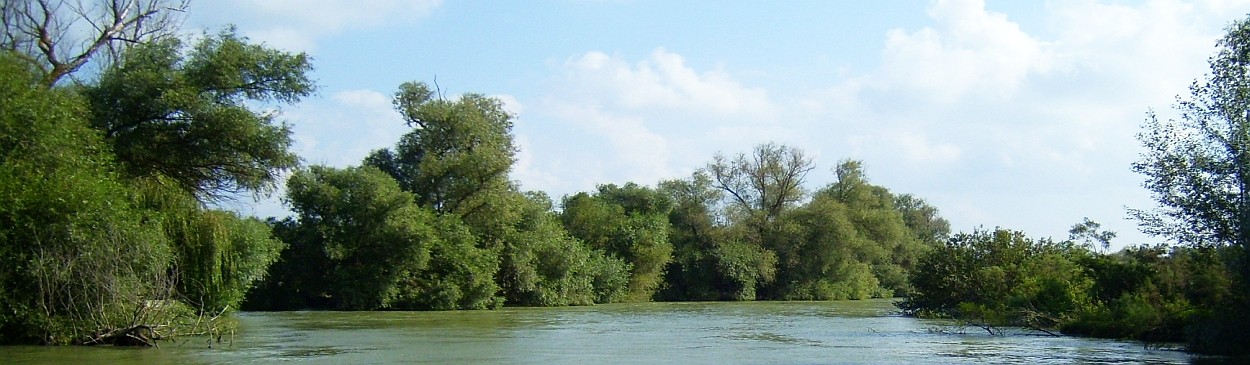
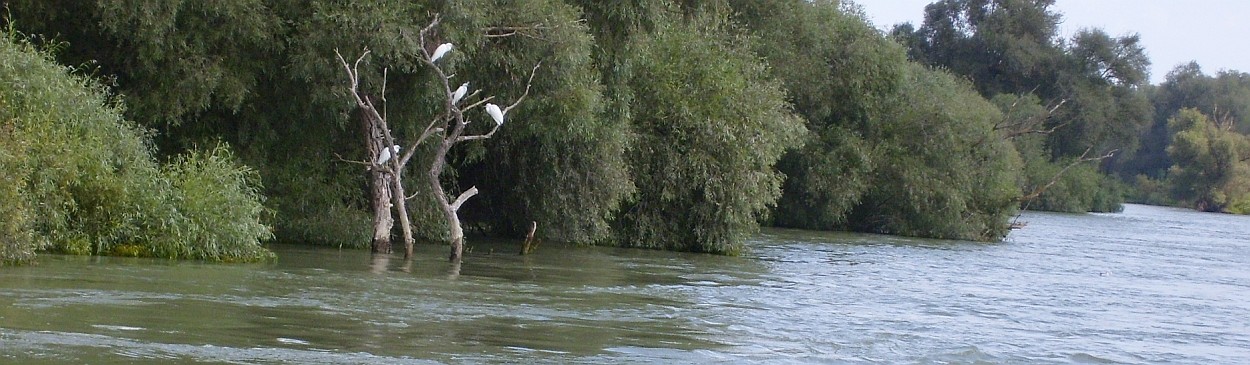
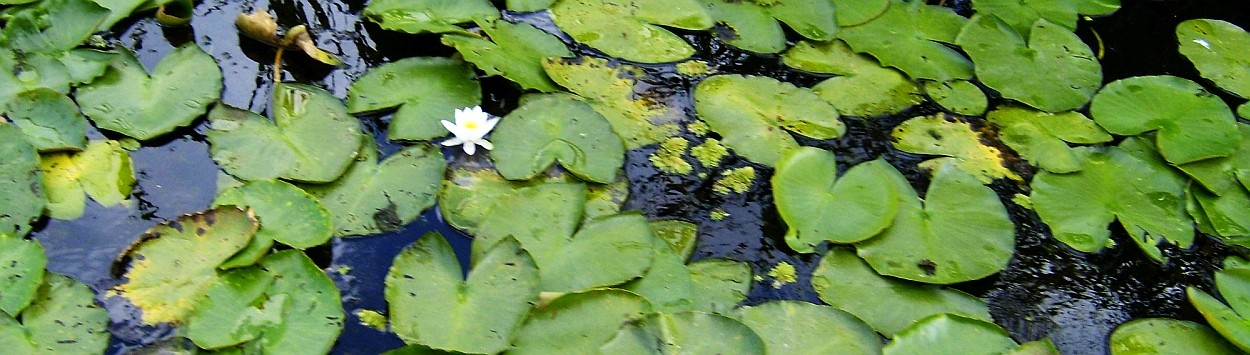
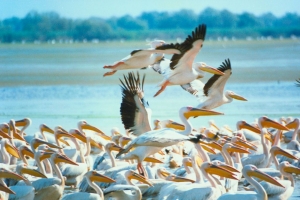
As a young region in full process of consolidation, the Danube Delta represents a very favorable place for the development of a flora and fauna unique in Europe with numerous rare species. The aquatic medium is prevalent, so that the flora and fauna will be aquatic. A drive along the shores of Danube Delta, which can easily be set up through local and international car rentals, will show how ideal the place is for flora and fauna development. Between the aquatic and terrestrial mediums, the swampy, easily flooded medium is interposing, which has a special flora and fauna, with alternative possibilities of adaptation (water, land) depending on the seasonal and yearly hydrological regime. There are many ecosystem to be found, each one with its characteristics:
The Danube Delta is included in the UNESCO Program as a Reservation of the Biosphere
|
|
|
|
|
|
|
Tourist Objectives
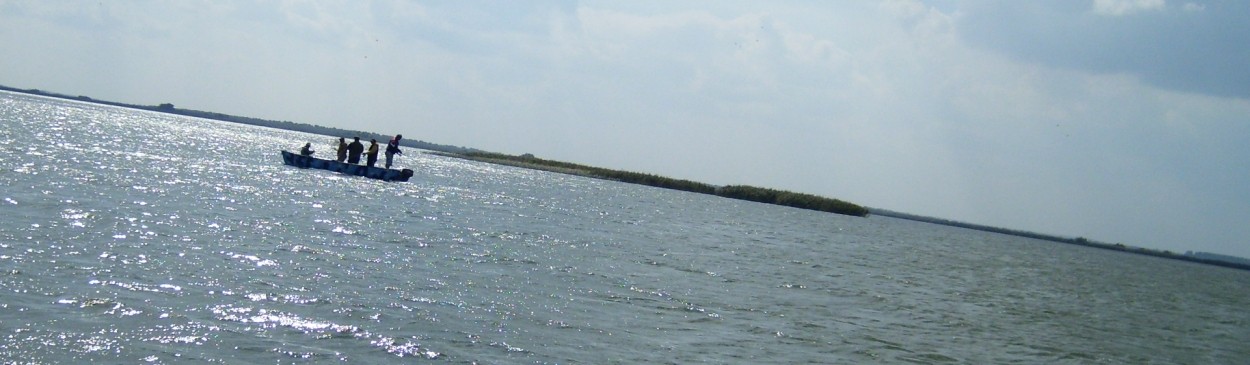
TULCEA - the capital of the district, ancient Roman settlement of Aegissus (VIII Century BC). Important port town, industrial center and the main access gate towards the tourist paradise of the Delta. To visit: The Danube Delta Museum, Saint Nicholas Cathedral, Azizia Mosque. CRISAN - village situated on the banks of Sulina arm, main starting point for trips both towards North (Mile 23, Matita, Letea) and South (Caraorman, Litcov, Rosu). MURIGHIOL - village situated 40 km South-East of Tulcea, on the Sf. Gheorghe arm, has a camping ground and a motel. UZLINA - village at 65 km south-east of Tulcea. Numerous birds, pelicans included, come here to build their nests. SULINA - Jean Bart's Europolis, documentary attested from 950, became porto-franco in 1900. There is a beach huge in lenght, with very fine sand. SFANTU GHEORGHE - a community of fishermen specialized in fishing sturgeon, which live only in the Black Sea and the Caspian Sea. Lighthouse of 57 m high. BESTEPE - hills with the traces of a Getic fortress (IV Century BC). GURA PORTITEI - is the place where the waters of Razim Center meet the sea and where you can watch a sunrise you never forget. |
|
Romania Tours | Specials | Spa cures | Gerovital | Romania Map | Travel Insurance | Romania Info | | Home | Contact | About | Testimonials | Links | Sitemap | |